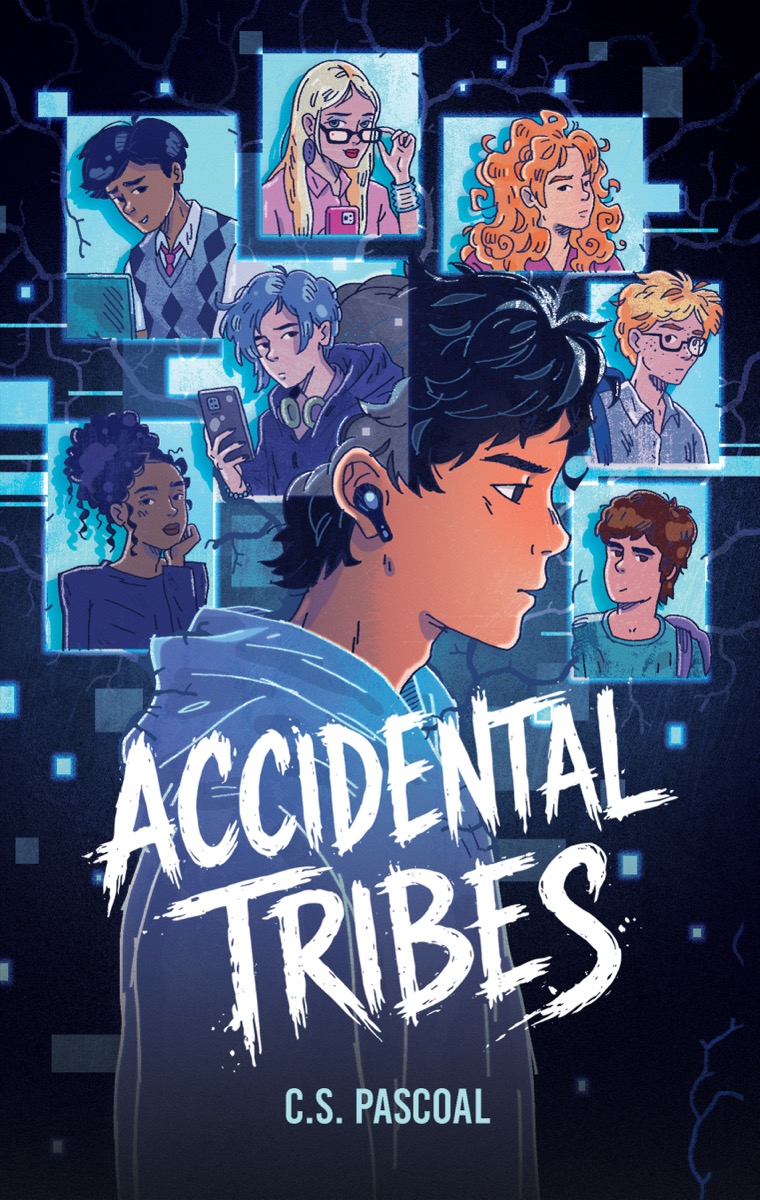
School brings friendships, expectations, and public reputations into the same building every day. C. S. Pascoal talks about the pressures shaping the setting of Accidental Tribes.
Why set the mystery inside a school?
A school is a powerful setting for Accidental Tribes because so many parts of a young person’s life overlap there: achievement, friendship, authority, reputation, and the need to belong.
It is a place where someone is trying to learn while also figuring out how to be perceived. A classroom, corridor, or group interaction can hold several pressures at once. That makes the setting rich for a mystery. The students are navigating the questions at the center of the plot within an environment that already has expectations, hierarchies, and consequences.
What does school reveal about status, shame, and survival?
In Accidental Tribes, students are learning the formal rules while also trying to decipher the unwritten ones. Who gets believed? Who gets another chance? What happens if you challenge someone with more status? Those questions influence what students reveal, what they hide, and how they protect themselves.
Belonging in high school can become entangled with those expectations. Shame can make someone work very hard to appear unaffected. Status can influence whose explanation receives attention. I wanted readers to notice those pressures because they shape the meaning of a choice. Understanding the environment helps us ask better questions about the people trying to navigate it.
How does the adult world shape the choices the students make?
The adult world shapes the conditions surrounding the students in Accidental Tribes. What adults reward, overlook, or punish influences the choices students believe are available to them. The school setting lets those pressures become visible through everyday encounters, as well as through the mystery.
Young people notice how adults respond when something becomes inconvenient. They notice whether a question receives a genuine answer and whether someone’s experience is taken seriously. I wanted the story to leave room for examining those responses. Asking students to be accountable also invites adults to consider what they are modeling.
About the Author
C. S. Pascoal is a technology and social-impact entrepreneur and the author of Accidental Tribes. Based in New York City, she founded UnBoxMe and has worked at the intersection of technology, entrepreneurship, and social impact.
Book website · Instagram · TikTok · YouTube · LinkedIn